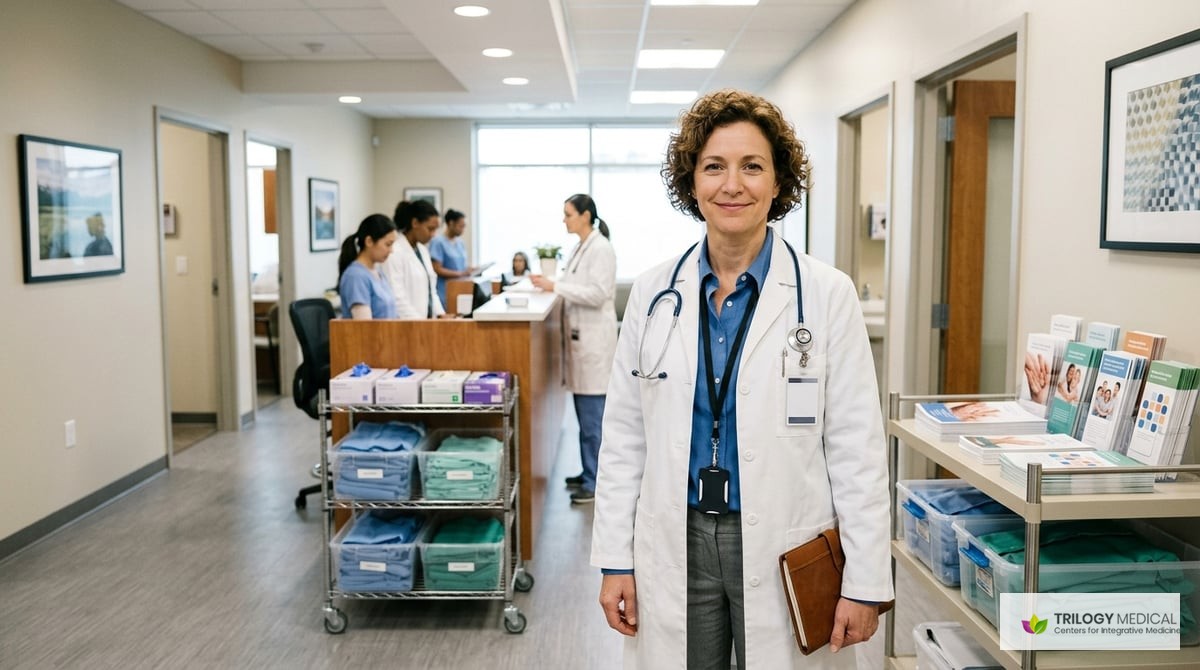
Understanding MDs and DOs
A concise guide to the differences in medical training and philosophy
Defining MDs and DOs
In the medical community, two primary types of physicians are identified: Medical Doctors (MDs) and Doctors of Osteopathic Medicine (DOs). Both MDs and DOs are fully licensed to practice medicine, prescribe medications, and perform surgery. However, there are distinct differences in their training and patient care philosophies.
MDs typically follow a conventional medical training path, focusing on allopathic medicine, which emphasizes the diagnosis and treatment of diseases primarily through medication and surgery. They complete a bachelor’s degree followed by four years of medical school, and then a residency program, which can last between three to seven years depending on their specialty. This rigorous training allows MDs to develop a deep understanding of human anatomy, pathology, and pharmacology, enabling them to treat acute and chronic conditions effectively. For instance, an MD may utilize advanced imaging technologies, such as MRIs or CT scans, to accurately diagnose and treat complex conditions like cancer or heart disease.
In contrast, DOs receive additional training in osteopathic principles and practice. This includes a holistic approach to medicine that emphasizes the interrelationship between the body’s systems, focusing not only on the physical but also on the environmental and emotional factors contributing to health. DO school also lasts four years, followed by residency training; however, osteopathic training includes hands-on techniques such as Osteopathic Manipulative Treatment (OMT), which aims to assist in diagnosing and treating various medical conditions. For example, a DO may use OMT to alleviate pain or improve mobility in patients suffering from musculoskeletal issues, employing techniques like stretching and pressure to release muscle tension.
Traditionally, MDs and DOs may pursue different specialties based on their training and philosophical perspectives. While both can enter virtually any specialty, DOs tend to focus more on primary care and preventative medicine, fields where their holistic training can be especially beneficial. They often seek to understand their patients’ lifestyles and conditions in a more comprehensive manner, fostering an environment that encourages open dialogue about health practices and well-being.
Ultimately, the choice between seeing an MD or a DO depends on patient preference, with each offering unique benefits and perspectives in healthcare, facilitating an informed medical experience tailored to individual patient needs.
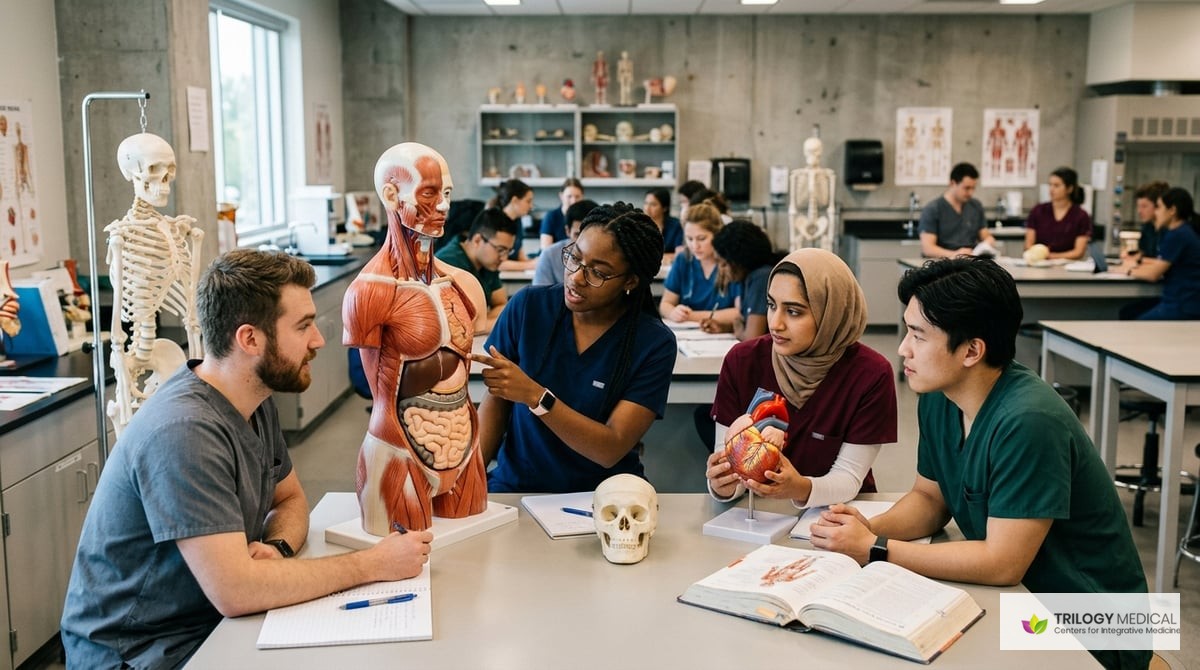
The Training Pathways of MDs and DOs
The educational pathways for MDs and DOs present important distinctions that shape their medical practice. Students pursuing an MD complete a curriculum that primarily relies on empirical science. MD programs focus on understanding diseases and the body’s response to treatment through methods that may not incorporate holistic approaches. These programs often include a significant amount of time dedicated to clinical rotations, where students can gain hands-on experience working with patients in various healthcare settings, such as hospitals, outpatient clinics, and urgent care facilities.
On the other hand, DO programs integrate traditional medical training with a philosophy that emphasizes treating the whole person, rather than just their symptoms. This added focus aims to ensure that DOs consider the social, emotional, and environmental factors that can affect health. This comprehensive approach is bolstered by practical skills training in OMT, which fosters an understanding of how the body’s systems interact and supports a more preventive approach to treatment. Not only does this training prepare DOs to treat conditions effectively, but it also helps them consider alternative therapies that may assist in a patient’s recovery.
Key Components of Each Pathway:
- MD: Four years of medical school, followed by residency, focusing primarily on disease-based treatment and utilizing advanced technology and pharmaceuticals.
- DO: Four years of medical school, plus additional training in holistic care and hands-on techniques such as OMT, which can enhance therapeutic outcomes and patient engagement. This distinct training gives DOs a unique skill set that can be especially valuable in managing chronic pain or other conditions that may benefit from a hands-on approach.
In both pathways, students must also pass state licensing exams to practice medicine after completing their education and clinical training. As such, their readiness to enter the medical profession is contingent upon the depth of both practical and theoretical knowledge acquired during their respective programs.
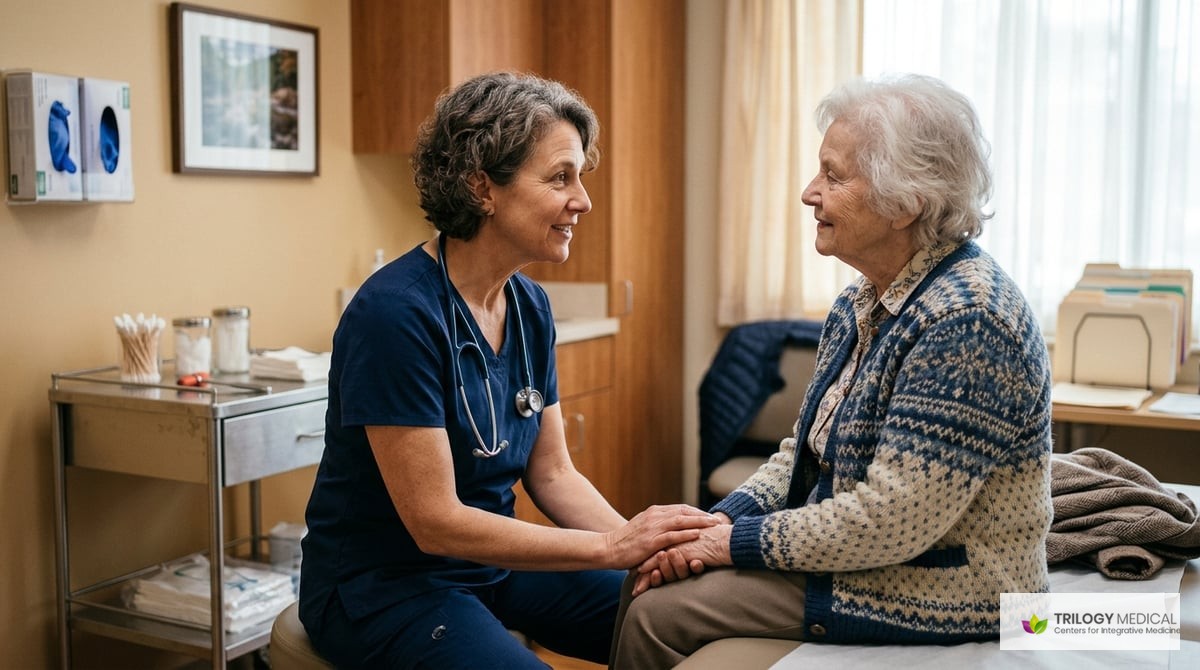
Patient Care Approaches: MD vs. DO
When it comes to patient care, the philosophies of MDs and DOs can differ, reflecting their distinct training. MDs often concentrate on a more focused and disease-centered care model, employing a detailed analysis of medical symptoms to diagnose and treat illness. This system is effective in many clinical scenarios, particularly in acute cases such as emergencies or serious health crises where immediate, specialized intervention is critical. For example, in an emergency room setting, an MD may effectively use protocols that prioritize rapid stabilization and intervention for patients with life-threatening conditions.
Conversely, DOs are trained to take a broader view of patient health. They may place equal importance on behavioral and lifestyle factors, recognizing that a patient’s environment and overall wellness play critical roles in their health. For instance, a DO might consider dietary habits, mental health, and community support systems when evaluating a patient’s condition, which could lead them to recommend lifestyle changes or alternative therapies that enhance well-being. This holistic approach can lead to preventative strategies that reduce the risk of chronic illness or address underlying health concerns, which is particularly beneficial in managing conditions such as diabetes or hypertension, where lifestyle interventions can make a significant difference in patient outcomes.
Additionally, DOs are taught to incorporate hands-on techniques in their patient examinations, which can enhance diagnostic processes through touch and manipulation. This can lead to unique treatment plans that enhance the overall well-being of patients beyond mere symptoms. A DO might use OMT to relieve tension headaches or improve circulation, complementing conventional treatments with natural therapies that align with their holistic philosophy.
Benefits and Considerations:
- MD: Typically associated with specialized treatment for acute conditions and crises, offering advanced technology and immediate interventions.
- DO: Focus on chronic condition management and holistic care may lead to better long-term health outcomes through a preventive health model and comprehensive patient education.
Ultimately, whether a patient chooses an MD or a DO, it’s vital to consider their approach to healthcare and how it aligns with the patient’s health philosophy. Engaging in a collaborative relationship between patient and physician can optimize treatment effectiveness and satisfaction.
Common Questions
Can an MD and a DO work together?
Yes, MDs and DOs often collaborate and work together in healthcare settings. Both types of doctors can take on the same roles and responsibilities, thereby contributing to a diverse team approach to patient care. In many hospitals and clinics, you’ll find MDs and DOs working side by side, ensuring that patients receive comprehensive care that draws from both medical philosophies. This teamwork is especially valuable in multidisciplinary clinics, where collaborative care is key to patient recovery.
Are there differences in specialties?
While both MDs and DOs can choose any specialty, DOs are more commonly found in primary care fields. They often focus on long-term health management rather than only acute care. For instance, a significant percentage of family medicine doctors are DOs, as they might be attracted to the primary care field due to its holistic focus. This trend also reflects the growing need for providers who can manage chronic diseases that require ongoing treatment and lifestyle modifications.
What should I consider when choosing a doctor?
Choose a doctor based on their approach to patient care, your personal health needs, and comfort level. Both MDs and DOs can provide excellent care, but they may have different treatment philosophies. It’s also helpful to consider how well the physician listens to your concerns, their availability, and any referrals or recommendations from trusted sources. Additionally, understanding a physician’s specialty and their approach to treatment can help align your healthcare experience with your personal preferences.
Do MDs and DOs have the same qualifications?
Both MDs and DOs must complete an accredited medical school, pass licensing exams, and fulfill residency requirements. The primary differentiation lies in their training approach. This means that while their path may differ somewhat, both MDs and DOs share a commitment to rigorous academic and clinical training to provide high-quality medical care. Moreover, ongoing professional development is crucial for both types of physicians to stay updated with the latest in medical research and practices.
Are DOs recognized in all states?
Yes, DOs are fully licensed to practice medicine in all 50 states and many countries, often having the same rights and responsibilities as MDs. This equal recognition underscores the growing acceptance of osteopathic medicine within the broader healthcare community, paving the way for more patients to explore holistic and integrative approaches to their health.
Choosing Between an MD and a DO
In conclusion, understanding the differences between an MD and a DO can empower patients to make informed choices regarding their healthcare. Both MDs and DOs dedicate years to rigorous training, equipping them with the skills and knowledge required to diagnose, treat, and manage health conditions effectively. Each brings their unique perspectives and methodologies to the table, enriching patient care and providing varied options that enhance healthcare practices.
While MDs may be particularly adept at treating acute illnesses through traditional methodologies and advanced medical technologies, DOs often integrate additional techniques and a holistic touch that considers the overall wellness of their patients. From emotional health to lifestyle factors, DOs aim to understand how various elements intertwine to affect health, offering strategies that facilitate healing and preventative care. This can significantly impact treatment effectiveness and patient satisfaction, as patients may feel more engaged in their health journey.
When deciding which type of physician to see, consider what aspects of care are most important to you. Having open conversations about your healthcare needs influences how you will proceed with care and what treatment plans are developed together. Patients might prefer DOs for regular check-ups and management of chronic conditions due to their holistic approach, or may opt for MDs for specialized surgeries and acute interventions, depending on their unique health situation.
This knowledge will not only aid in selecting the right physician for your needs but will also enhance your overall healthcare experience. In either case, remember that both MDs and DOs are dedicated to supporting your health and well-being, ensuring that you receive quality care tailored to your unique needs. Maintaining an ongoing relationship with your healthcare provider is crucial in achieving long-term health goals, allowing for continuity of care that can greatly benefit patient outcomes.
Seek the guidance of a healthcare practitioner who resonates with your health philosophy and supports your journey toward optimal health, ensuring that your medical needs are met holistically and effectively, as you navigate the complexities of health management with confidence.
This article was created with the help of AI. Images may also be AI-generated.
